
01
SOPs & Policy Design
Procedures and policies written in plain language, to be followed rather than filed.
Procedures nobody wrote down. Targets nobody agreed on. A system bought before the process was ready. This is the story of that list, and how it finally gets done.
Four problems we meet in almost every growing business. None of them are strategy problems.
A business doubles in size while still running on habit and memory. Nothing is written down, so nothing scales, and everything depends on a few people.
Software is bought to fix what is really a process problem. The system then encodes the mess and becomes expensive to unpick.
Without written procedures, service levels or targets, performance is a matter of opinion and accountability is impossible to place.
The businesses that most need this work are often the least able to justify institutional fees.
“Most of what holds a growing business back is not strategy. It is the absence of written, measurable, repeatable process.”
Renaissance for Consultancy is a team of independent freelance consultants. We help owners and managers build the structure their business has outgrown: the procedures, measures, workflows and systems that hold a company together as it grows.
We work as freelancers by choice. There is no office overhead to fund and no layer of junior staff between you and the person doing the work. You deal directly with the consultant on your project, from the first conversation to the final handover.
We are a young practice, but not new to this work. The projects on this site were delivered by the same people you would be dealing with, and we work at whatever size suits you, from a short piece of work to a standing arrangement.
You work with the consultant, not an account manager.
Every project ends in something you can actually use.
We say what we can do, and what we cannot, before you commit.
No overhead to cover, so our rates reflect the work.
We take on a limited number of projects at a time. We are a small team, and we would rather do a few things properly.
Practical, documented work that makes a business easier to run and easier to grow. Choose the foundation that is cracking first.
“Everyone does it differently, and only one person knows the real way.”
Procedures and policies written in plain language, to be followed rather than filed.
Internal and supplier service levels defined so they can be measured and enforced.
“We work hard all month, but we can’t say if it was a good month.”
Measures that reflect how the business actually earns, and reporting people can read.
Cost-to-serve review, supplier terms, and practical productivity improvement.
“The request is with someone. Nobody knows who.”
Mapping how work moves today, then removing the delay, rework and hand-off loss.
Structure, delegation of authority, role definitions, job descriptions and succession.
“We bought the software. The spreadsheets are still running the business.”
Requirements, system selection, data preparation, configuration oversight and rollout.
Business cases, financial models, feasibility studies and lender documentation.
Need something close to this list but not on it? Ask. If it falls outside what we do well, we will tell you.
The same discipline, written procedures, clear measures and workable systems, applied across every function of the business.
Organisation structure, job descriptions, retention and performance management.
Budgets, cost control, financial models and management reporting.
Production planning, BOMs, work centers, capacity and quality checkpoints.
Purchasing, supplier terms, warehouses and reorder control.
Sales force structure, targets, invoicing and collections.
Store procedures, service standards and new store openings.
Methodology, training and workshops for management teams.
Requirements, system selection, implementation and dashboards.
Work delivered for manufacturing, distribution and retail businesses.
Staff turnover had passed 60% in both the sales force and the HR function. The brief was to bring it below 20% in sales and 15% in HR, at low cost, with retention designed to hold for five years.
A costed retention plan addressing the causes of attrition in both functions, delivered in three months. Every requirement set by the client was met: both turnover targets, the cost ceiling and the five-year retention horizon.
Top and middle management needed a working command of project management methodology ahead of a new factory and new store openings, so these projects could be run on time and within budget.
Intensive project management training and practical workshops at every management level, delivered in phases over four months.
A complete restructuring: organisation hierarchy and workflow, job descriptions for every role from management to shop floor, departmental and individual SOPs, SLAs and KPIs, and an ERP system to run operations and reporting.
All of it designed and deployed over eight months, giving the owner and management the reports they previously lacked. The owner’s success factors were met.
Further detail and client references are available on request.
Growing businesses rarely need software alone. They need procedures, workflows, controls and reporting translated into one practical ERP environment. That is why we design the process first and configure the screens second.
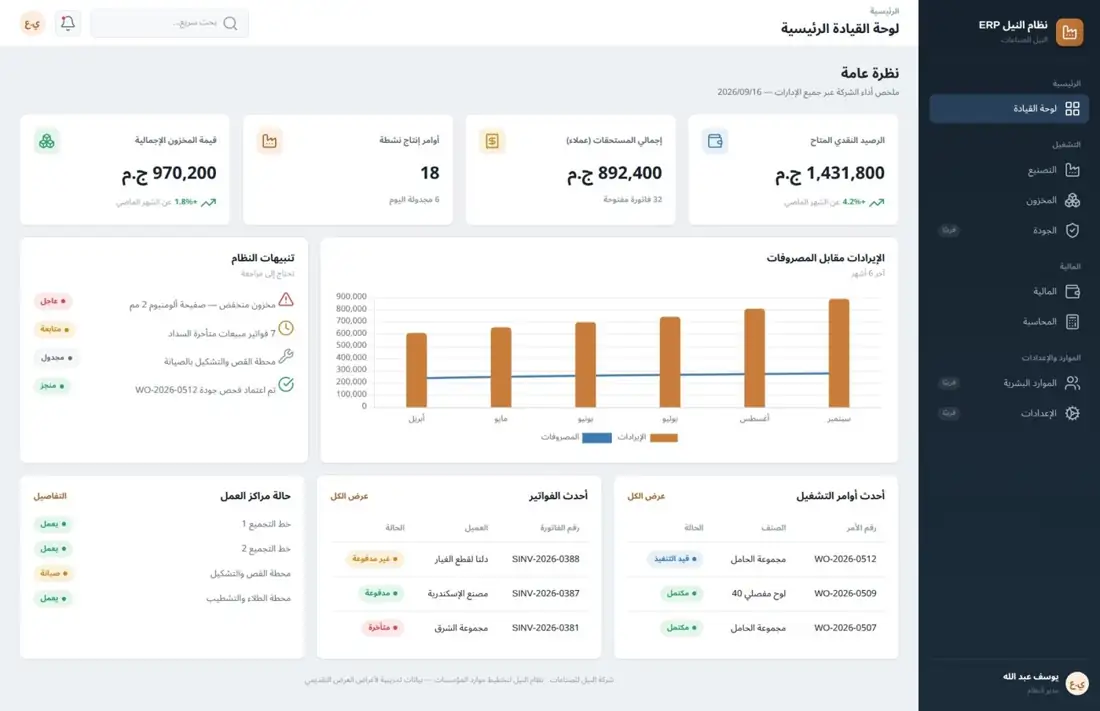
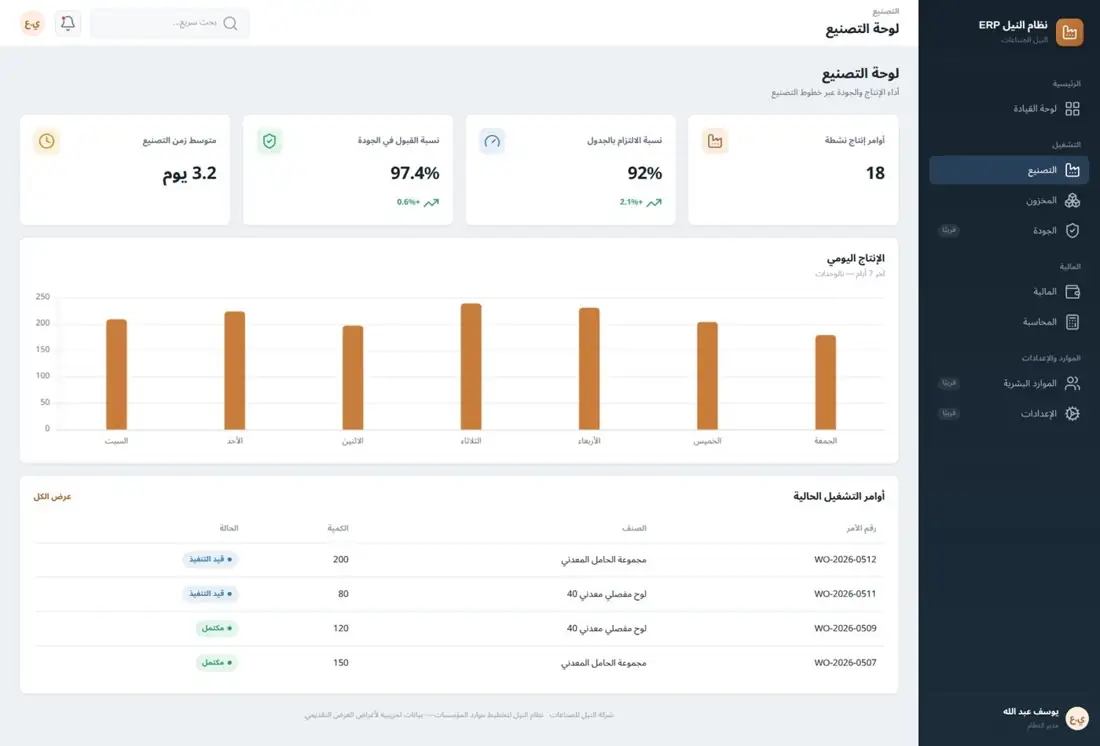
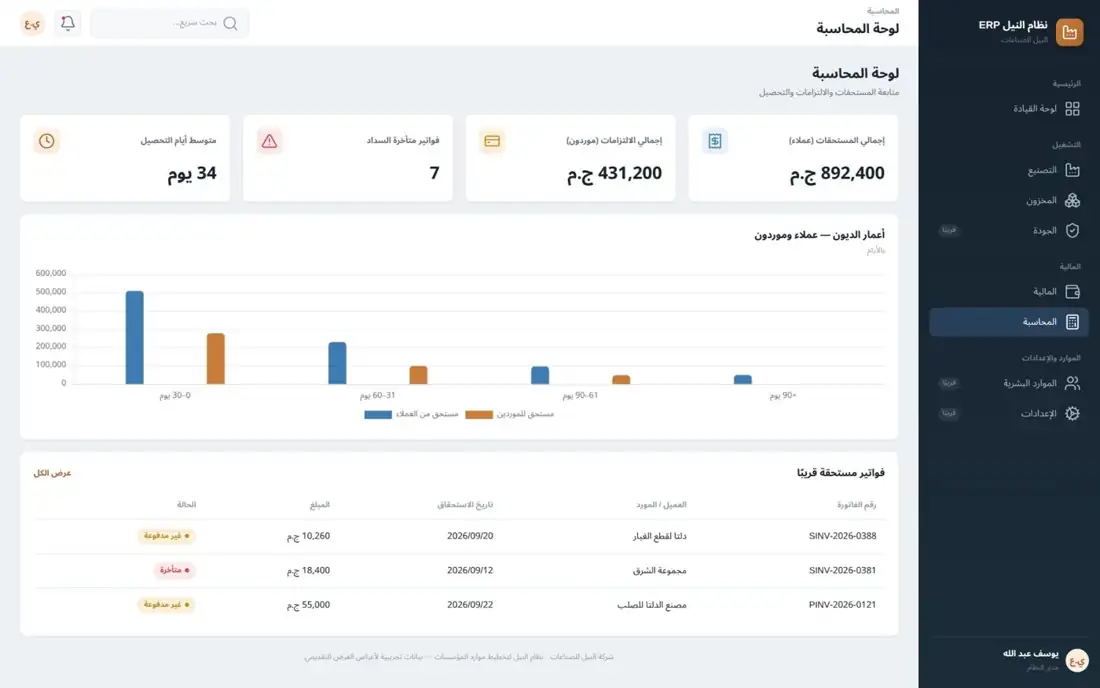
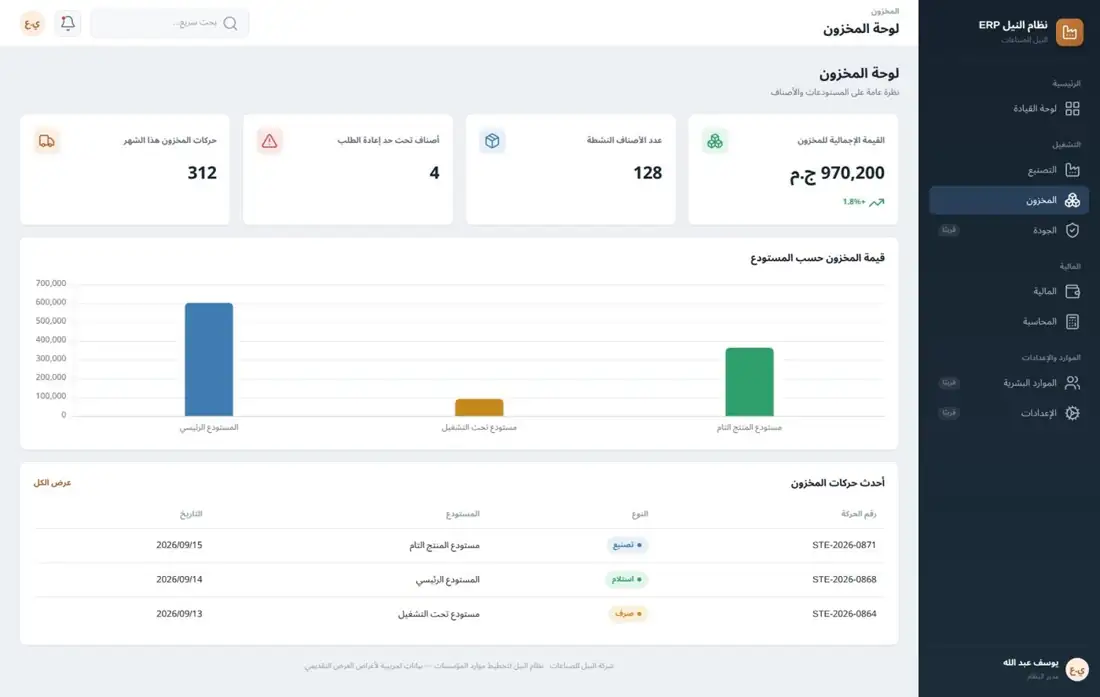
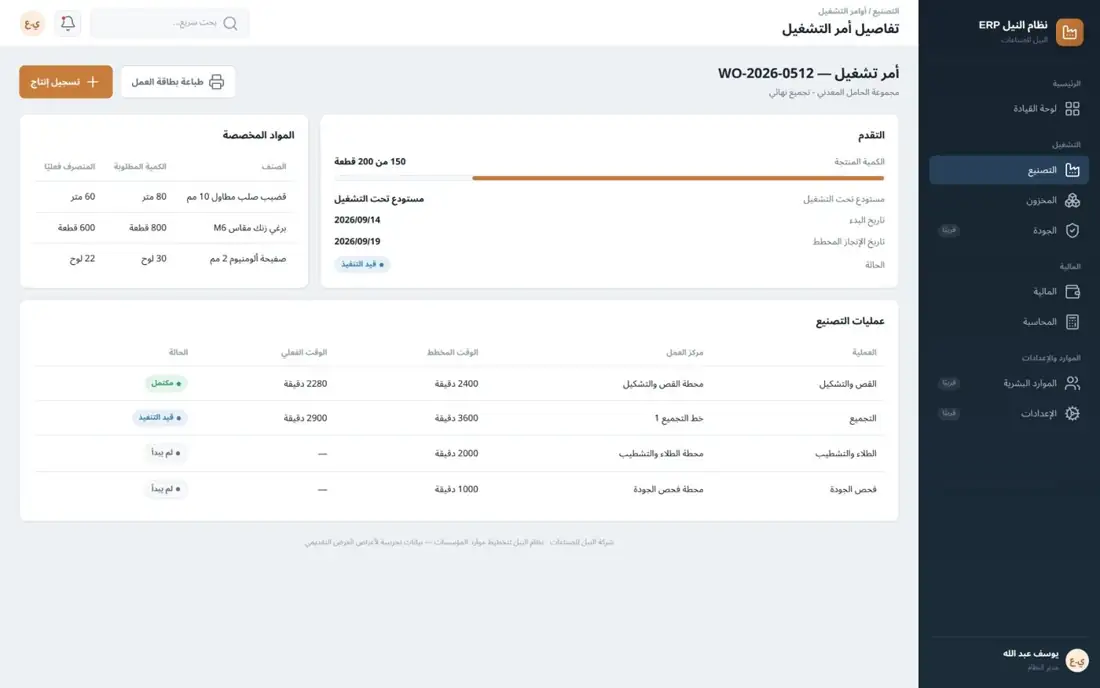
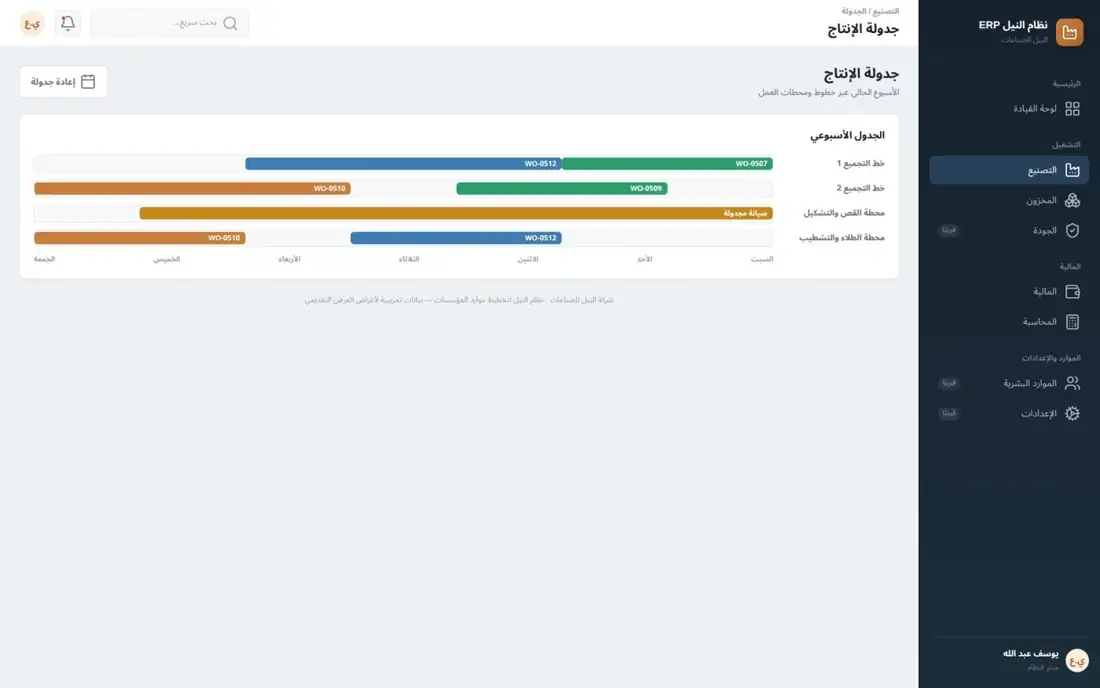
Arabic interfaces and role-based navigation, because usability and training matter as much as features when the system meets real users.
A short diagnostic sprint that produces the module scope, process map, data readiness checklist and implementation estimate.
Understand the business and the real problem.
Document how the work runs today.
Build the procedure, measure or system.
Put it in place with your team.
Train, document, and step back.
| Typical firm | Renaissance | |
|---|---|---|
| Who does the work | A team behind an account manager | The person you brief is the person who does the work |
| What you pay for | Institutional overhead and minimum project sizes | Freelance rates, no overhead, no minimum project size |
| What you keep | A presentation | Documents, measures and systems, handed over |
| Scope & price | Sized to the firm’s revenue targets | Agreed in writing before we start, and not changed without your approval |
| After we leave | You call them back | We teach the framework as we build it, so your team can maintain it |
A first conversation costs nothing. Tell us the problem and we will give you an honest view of whether we are the right people for it, what the work would involve, and what it would cost.
Everything you share with us is treated as confidential from the first contact.
The first discussion is free and carries no obligation.